Empty Legs Explained: How to Fly Private for 75% Off, and Why It Rarely Works Out Perfectly
Every day, hundreds of private jets fly with nobody on board. Operators sell those seats at a steep discount. Here is how the market works, what it really costs, and the catches that make it a game for the flexible.
By JetAtlas · Published 2026-06-30 · 7 min read · How we check facts
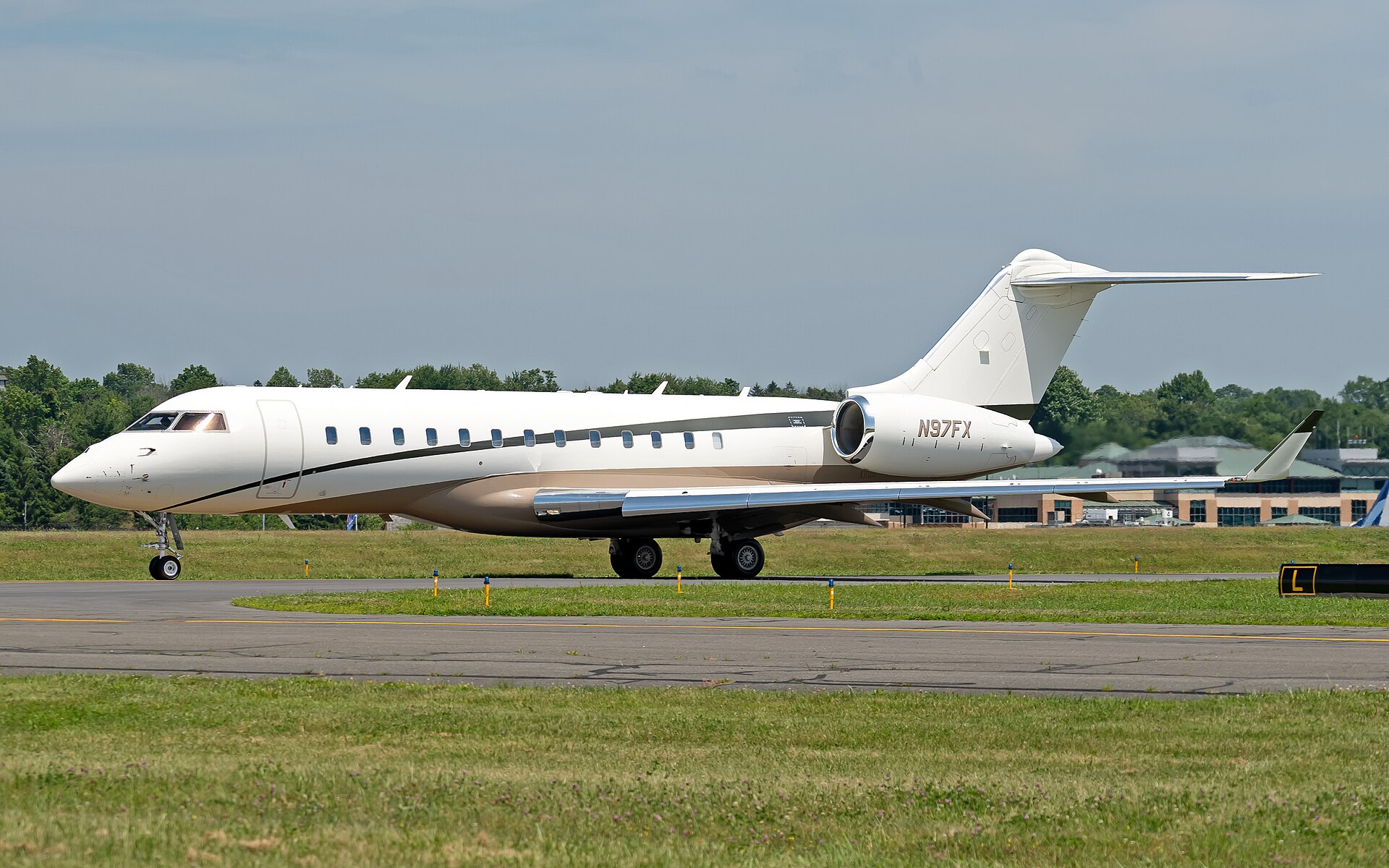
A private jet is chartered from New York to Palm Beach on Friday. The passengers stay the week. The aircraft, meanwhile, has other work in New York on Saturday, so it flies home empty. That return flight is an empty leg, and it is the closest thing private aviation has to a bargain.
There are a lot of them. Industry estimates put empty positioning flights at 30 to 40 percent of all charter sectors, which means roughly a third of the private jets you see on a tracking app have nobody in the cabin. Operators would rather earn something than nothing, so they list these flights, sometimes days in advance and sometimes hours, at discounts that typically run 25 to 75 percent below the normal charter price.
Where the flights come from
Every charter is priced as a round trip for the aircraft, whether or not the customer flies both ways. If you charter a jet one way from Los Angeles to Las Vegas, you are usually paying for it to fly back to Los Angeles empty, or for the operator to find another customer to cover that leg. The empty return is the empty leg.
Empty legs also come from:
- Repositioning to the next job. An aircraft based in Dallas finishes a trip in Denver and has a pickup in Chicago tomorrow. Denver to Chicago is for sale.
- Maintenance flights. A jet flying to a service centre with no passengers.
- Fractional fleets. NetJets and Flexjet reposition aircraft constantly; some of those flights are offered to card holders and owners at reduced rates.
- Seasonal migrations. In December, jets flow from the U.S. north-east to Florida and the Caribbean; in April, they flow back. Each direction produces empty legs going the other way.
What they cost
There is no fixed formula, but a few patterns hold. A light jet empty leg from Teterboro to Boston or Washington might list at $3,000 to $6,000 against a normal charter of $9,000 to $12,000. A midsize jet from Miami to New York might be $9,000 to $15,000 against $25,000 to $35,000. Transatlantic empty legs on large-cabin jets appear at $25,000 to $45,000 against $80,000 to $120,000.
| Route | Aircraft class | Normal one-way charter | Typical empty-leg price | Discount |
|---|---|---|---|---|
| Teterboro to Boston | Light jet | $9,000 to $12,000 | $3,500 to $6,000 | 50 to 65% |
| Miami to New York | Midsize | $25,000 to $35,000 | $9,000 to $15,000 | 55 to 65% |
| Los Angeles to Aspen | Super-midsize | $22,000 to $30,000 | $8,000 to $14,000 | 50 to 65% |
| London to Nice | Light jet | $14,000 to $20,000 | $5,000 to $9,000 | 55 to 65% |
| New York to London | Large cabin | $85,000 to $120,000 | $30,000 to $50,000 | 55 to 65% |
Prices are JetAtlas estimates from 2026 listings on broker and operator platforms; individual quotes vary widely.
Some of the deepest discounts come from what the industry calls per-seat empty legs, where a broker sells individual seats on an empty positioning flight for a few hundred to a couple of thousand dollars. These are less common in the U.S. because of regulatory limits on selling individual seats on charter aircraft, and more common in Europe, where a handful of platforms specialise in them.
The catches
Empty legs are cheap because they are inconvenient, and the inconvenience is structural rather than a matter of luck.
The route is fixed. The aircraft is going from A to B because that is where its next job is. If you want to go from A to a city 100 miles from B, some operators will divert for a surcharge; many will not.
The timing is fixed, and then it moves. The empty leg exists because of another customer's booking. If that customer changes their departure by three hours, the empty leg changes by three hours. If they cancel, it disappears. Industry estimates put the cancellation rate at 10 to 15 percent, and the customer who booked the empty leg has no recourse beyond a refund. Serious users book with the assumption that they may end up on an airline.
It is one way. You have to get back. Booking an empty leg out and a full charter home costs more than a round-trip charter would have.
The aircraft is what it is. You may want a light jet for two people and get a Gulfstream, which is a pleasant problem. You may want a Gulfstream for eight and be offered a light jet with six seats.
The window is short. Most empty legs are listed one to five days before departure. The best deals are often within 24 hours. This makes them almost useless for planned travel and very useful for people who can decide on Thursday to go to Aspen on Friday.
How people actually use them
The customers who benefit most are those with genuine flexibility and a fixed interest in a route. A family with a house in Palm Beach and another in Connecticut, who fly between them 10 times a year and do not care which Friday, can save a great deal by watching the Teterboro to Palm Beach empty-leg listings and pouncing. A business traveller with a Tuesday meeting cannot.
Brokers and apps have turned this into a product. Most major charter brokers (XO, Jettly, Victor, PrivateFly, and the operators themselves such as VistaJet and Flexjet) list empty legs on their websites and push alerts for saved routes. Some offer a fixed-price empty-leg subscription. The traditional method, a phone call to a broker who knows your routes, still works and often surfaces flights that never make it onto a website.
A worked example
Suppose you want to take four people from New York to Miami for a long weekend in February. A normal super-midsize charter is about $32,000 each way. Watching the listings, you find an empty leg on a Challenger 350 leaving Teterboro at 11:00 on Thursday for $12,000. You take it. Coming back, there is nothing on Sunday, so you book a light jet one way at $21,000, or you fly first class for about $3,000 for four.
Total with the airline return: about $15,000 for the group, against $64,000 for two full charters. Per person, $3,750, which is the cost of a first-class ticket plus a nice dinner. That is the best case, and it depended on being willing to leave at 11:00 on Thursday and come home on an airline.
The honest summary
Empty legs are real, the discounts are real, and the number of them is large. But they are a by-product of other people's plans, and they behave like one: they appear at short notice, move without warning, and vanish without apology. Treat them as a way to make a trip you were already flexible about much cheaper, not as a way to fly private on a schedule. People who understand that fly private for the price of first class several times a year. People who do not spend a lot of time refreshing a website.
Mentioned in this story
More insights

What luxury really means on a VIP airliner
A VIP airliner is not just a larger private jet. Its real luxury is measured in certified space, sleep, quiet systems, completion time, crew workflow and the ability to carry a household or delegation across oceans without turning the cabin into theatre.
Farnborough, Biggin Hill or Luton: choosing a London private jet airport
Compare the final ground destination, operating window, aircraft requirements and handling arrangements before choosing a London airport.
Teterboro, Westchester or Morristown: choosing a New York private jet airport
Compare the airport and ground destination together, then check handling, timing, noise requirements and a fallback before accepting a charter proposal.