Private Jet vs First Class vs Your Own Car: The Honest Comparison
New York to Miami and London to Nice, three ways: what each costs, how long it takes from door to door, and how much CO2 it puts in the air. The results are less flattering to the jet than you'd think, and less damning than you'd fear.
By JetAtlas · Published 2026-06-16 · 8 min read · How we check facts
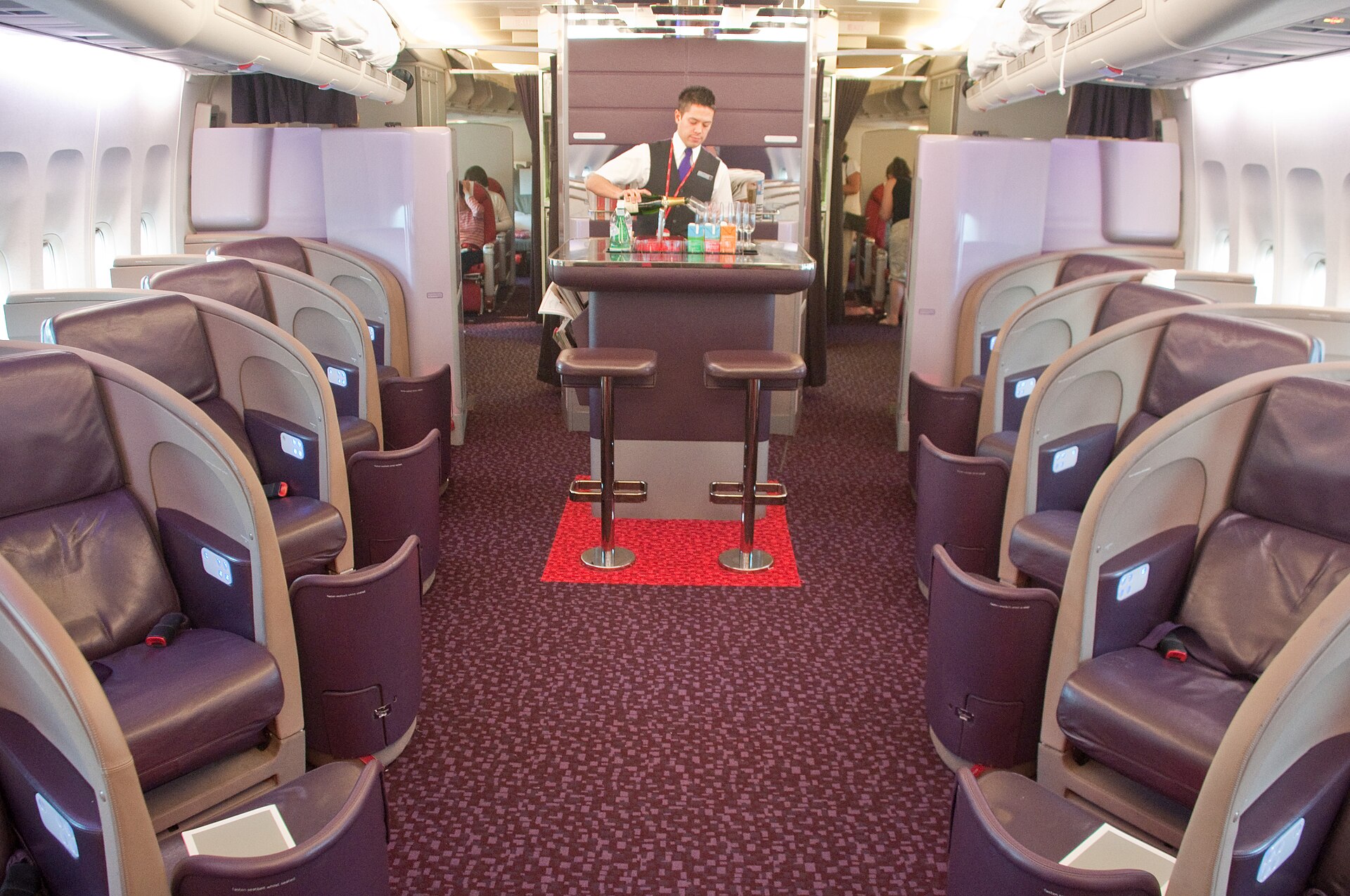
The pitch for private aviation is time. The case against it is money and carbon. Rather than argue in the abstract, we ran two of the most popular routes in the business through the three realistic options: a private jet, a first or business class airline seat, and simply driving.
The routes are New York to Miami, the busiest private-jet corridor in the United States, and London to Nice, the busiest in Europe. Assumptions are stated; where we estimated, we say so. All figures are for a party of two adults travelling on a weekday in 2026.
Route one: New York to Miami
The distance is about 1,090 statute miles by air, 1,280 by road.
Private jet. A super-midsize aircraft such as a Challenger 3500 or Citation Longitude from Teterboro to Opa-locka, both close to the city centres. One-way charter quotes in 2026 run about $28,000 to $38,000 for this aircraft class; a light jet such as a Phenom 300E is about $18,000 to $24,000. We use $32,000 and $21,000. Flight time is about 2 hours 45 minutes; door to door, starting in Midtown Manhattan and ending in South Beach, is roughly 3 hours 30 minutes.
First class. American, Delta, and JetBlue all fly the route. Domestic first-class fares vary widely with date; walk-up fares are $600 to $1,100 one way, advance purchase $350 to $600, and aggregator averages for first class to Miami cluster around $700 one way. We use $700. Flight time is about 3 hours; door to door, with an hour to JFK, two hours at the airport, and bags and a car at the other end, is about 6 hours 15 minutes.
Driving. Interstate 95 the whole way: 19 to 20 hours of driving, realistically two days with an overnight. Fuel at 30 mpg and $3.30 a gallon is about $140, tolls about $40, one hotel night about $150.
| New York to Miami, 2 people | Private jet (super-midsize) | Private jet (light) | First class | Own car |
|---|---|---|---|---|
| Cost, one way | $32,000 | $21,000 | $1,400 | about $330 plus wear |
| Cost per person | $16,000 | $10,500 | $700 | $165 |
| Door to door | 3 h 30 min | 3 h 45 min | about 6 h 15 min | about 26 h (with overnight) |
| CO2, total | about 7.4 t | about 4.2 t | about 1.2 t (2 first-class seats) | about 0.4 t |
| CO2 per person | about 3.7 t | about 2.1 t | about 0.6 t | about 0.2 t |
CO2 figures are JetAtlas estimates: jet fuel burn of 280 gallons per hour (super-midsize) and 160 (light) at 9.57 kg CO2 per gallon; airline figures use ICAO calculator methodology, where a first-class seat is allocated roughly four times an economy seat's share (economy on this route is about 150 to 170 kg per passenger); the car assumes 30 mpg.
The door-to-door assumptions, for the record:
- Private: 40 minutes Midtown to Teterboro, 15 minutes at the FBO, 10 minutes taxi, 2 h 45 min flight, 5 minutes to a car at Opa-locka, 25 minutes to South Beach
- Airline: 60 minutes to JFK, 120 minutes before departure, 3 h flight, 40 minutes for bags and the terminal, 35 minutes to South Beach
- Car: 19.5 hours of driving over two days, plus stops and one overnight
What the table says
The private jet wins on time by about three hours, or nearly half the day. That is real, and for a business traveller doing a same-day return it is the difference between a trip and a two-day trip.
It loses on money by a factor of 15 to 23 against first class. Fill the super-midsize jet with eight people and the gap narrows to about $4,000 a head versus $700, a factor of six. The private jet is never cheaper. The best it does is become a rich person's expensive rather than a very rich person's expensive.
On carbon, the jet is the clear loser even against first class, which is itself carbon-heavy because a lie-flat seat takes the floor space of three or four economy seats. Two people on a super-midsize jet produce about six times the CO2 of two first-class seats and roughly 20 times what they would produce in economy. The car, even with an overnight, is by far the lowest.
Route two: London to Nice
About 640 nautical miles by air, roughly 1,050 miles by road via the Channel Tunnel, Paris, and the A6/A7 south.
Private jet. Farnborough to Nice is the classic summer run. Light-jet charters from Farnborough to Nice quote from about 7,000 euros for an older six-seat aircraft such as a Nextant 400XTi to $20,000-plus for a newer light jet, and $25,000 to $28,000 for a heavy jet such as a Gulfstream G450. We use $14,000 for a modern light jet (Phenom 300E or Citation CJ4). Flight time is about 1 hour 55 minutes; door to door from Chelsea to Cap d'Antibes, about 3 hours 45 minutes, of which the drive to Farnborough is the longest part.
Business class. British Airways from Heathrow, easyJet up front has no business class, so we use BA Club Europe, which is a blocked middle seat and a meal rather than a lie-flat bed. Fares from about 285 pounds to 550 pounds one way; we use 420 pounds ($540). Flight time about 2 hours; door to door about 5 hours 30 minutes.
Driving. About 16 hours plus the tunnel crossing. Fuel around 130 pounds, tunnel around 150 pounds one way, French tolls about 80 pounds, one hotel night. Two days.
| London to Nice, 2 people | Private jet (light) | Business class | Own car |
|---|---|---|---|
| Cost, one way | $14,000 | $1,080 | about $560 plus hotel |
| Cost per person | $7,000 | $540 | $280 |
| Door to door | 3 h 45 min | about 5 h 30 min | about 24 h (with overnight) |
| CO2, total | about 2.9 t | about 0.5 t | about 0.35 t |
| CO2 per person | about 1.45 t | about 0.25 t | about 0.18 t |
Business class on a short-haul European flight is allocated roughly 1.5 times an economy seat under ICAO methodology, since Club Europe is a standard seat with the middle blocked; economy London to Nice is about 160 kg per passenger.
The uncomfortable subtleties
Time savings shrink on short routes. London to Nice saves under two hours, because the airline flight is short and the drive to Farnborough is long. New York to Miami saves nearly three. On a 45-minute hop the private jet can actually be slower door to door if the FBO is further away than the airline terminal.
First class is worse than economy on carbon, and nobody markets that. The lie-flat seat's carbon footprint is a function of floor space. A first-class passenger on a domestic flight is responsible for roughly the same emissions as a car driving the route alone.
Filling the jet changes the equation more than anything. Six people on the Farnborough-to-Nice light jet is about 480 kg of CO2 each, still double business class but no longer an order of magnitude. Cost per head falls to about $2,300.
The jet flies on your schedule. If the meeting moves from 10 to 2, the jet moves with it. That is worth something that does not fit in a table, and it is the thing regular users say they would miss most.
The honest verdict
For a two-person trip, the private jet costs roughly 15 to 25 times a premium airline seat, saves two to three hours, and emits five to ten times as much per person. Whether that trade makes sense depends entirely on what an hour is worth to the people on board, and for most of the people who make it regularly, the answer is a corporate one: the hour is worth what the company bills for it. For a holiday, the honest answer is that it is a luxury, and it is priced like one.
Mentioned in this story
More insights

What luxury really means on a VIP airliner
A VIP airliner is not just a larger private jet. Its real luxury is measured in certified space, sleep, quiet systems, completion time, crew workflow and the ability to carry a household or delegation across oceans without turning the cabin into theatre.
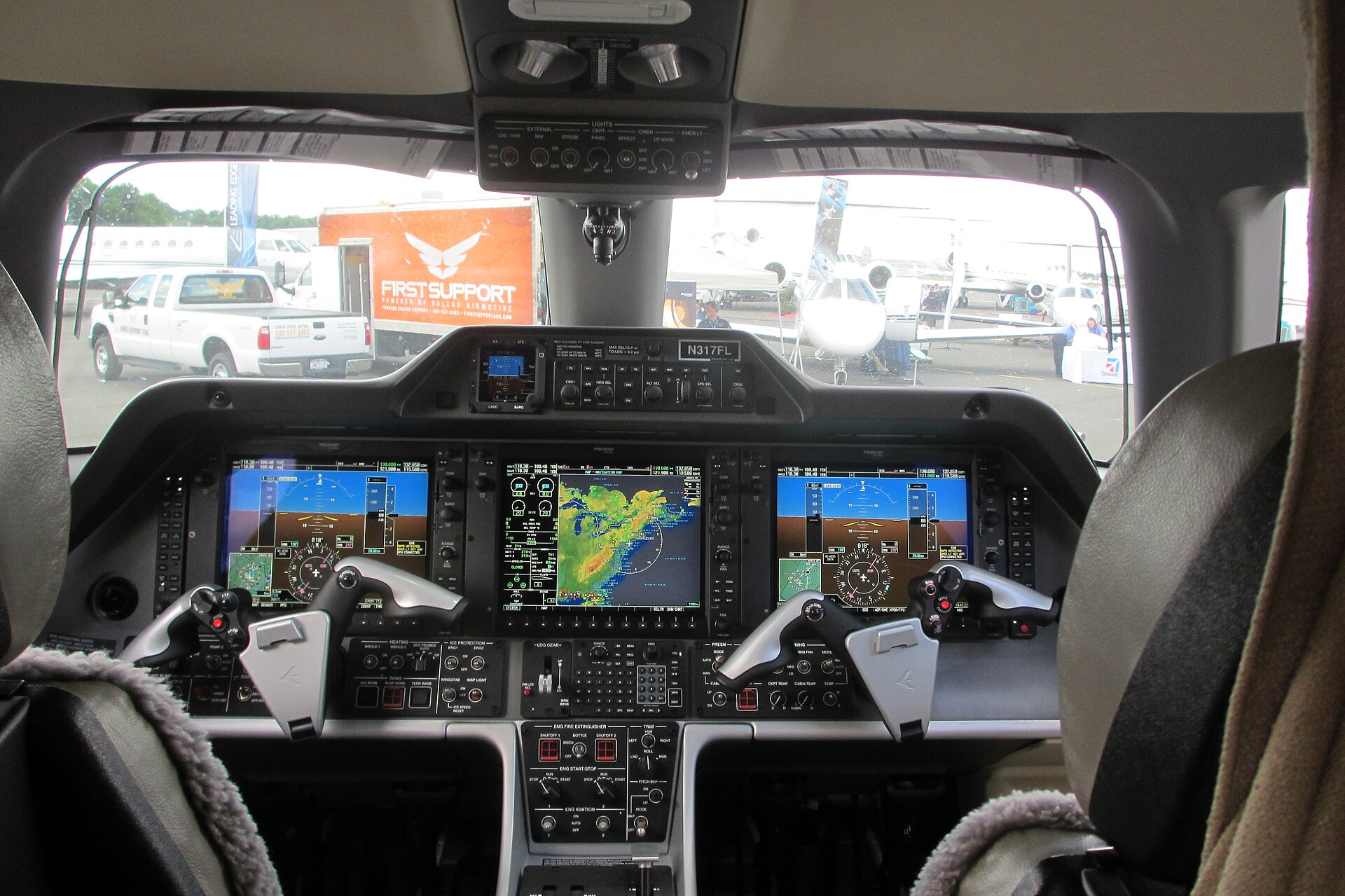
Farnborough, Biggin Hill or Luton: choosing a London private jet airport
Compare the final ground destination, operating window, aircraft requirements and handling arrangements before choosing a London airport.
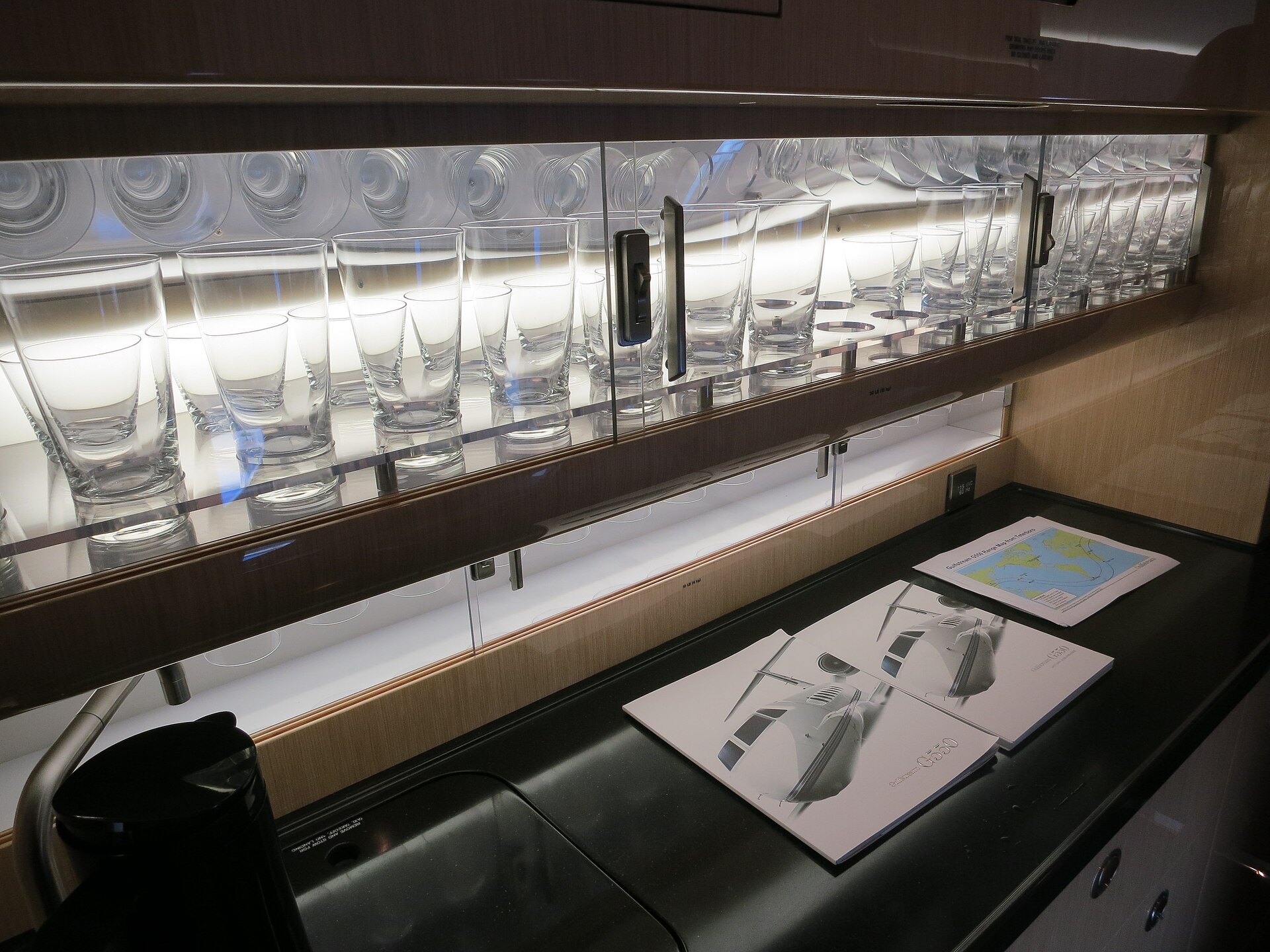
Teterboro, Westchester or Morristown: choosing a New York private jet airport
Compare the airport and ground destination together, then check handling, timing, noise requirements and a fallback before accepting a charter proposal.