Understanding Operating Costs: Fuel, Crew, Maintenance Programmes, Hangar and Insurance
A line-by-line guide to what it costs to keep a business jet flying, including how CorporateCare, MSP, ESP and JSSI programmes work and when they are worth it.
By JetAtlas · Published 2026-06-11 · 8 min read · How we check facts
Every aircraft budget is built from the same handful of lines, and understanding each of them is the difference between an owner who is surprised by the bills and one who negotiates them. This guide takes the lines in order of size for a typical large-cabin jet flying 400 hours a year, explains what drives each, and shows where the levers are.
Fuel: 30 to 40 percent of direct operating cost
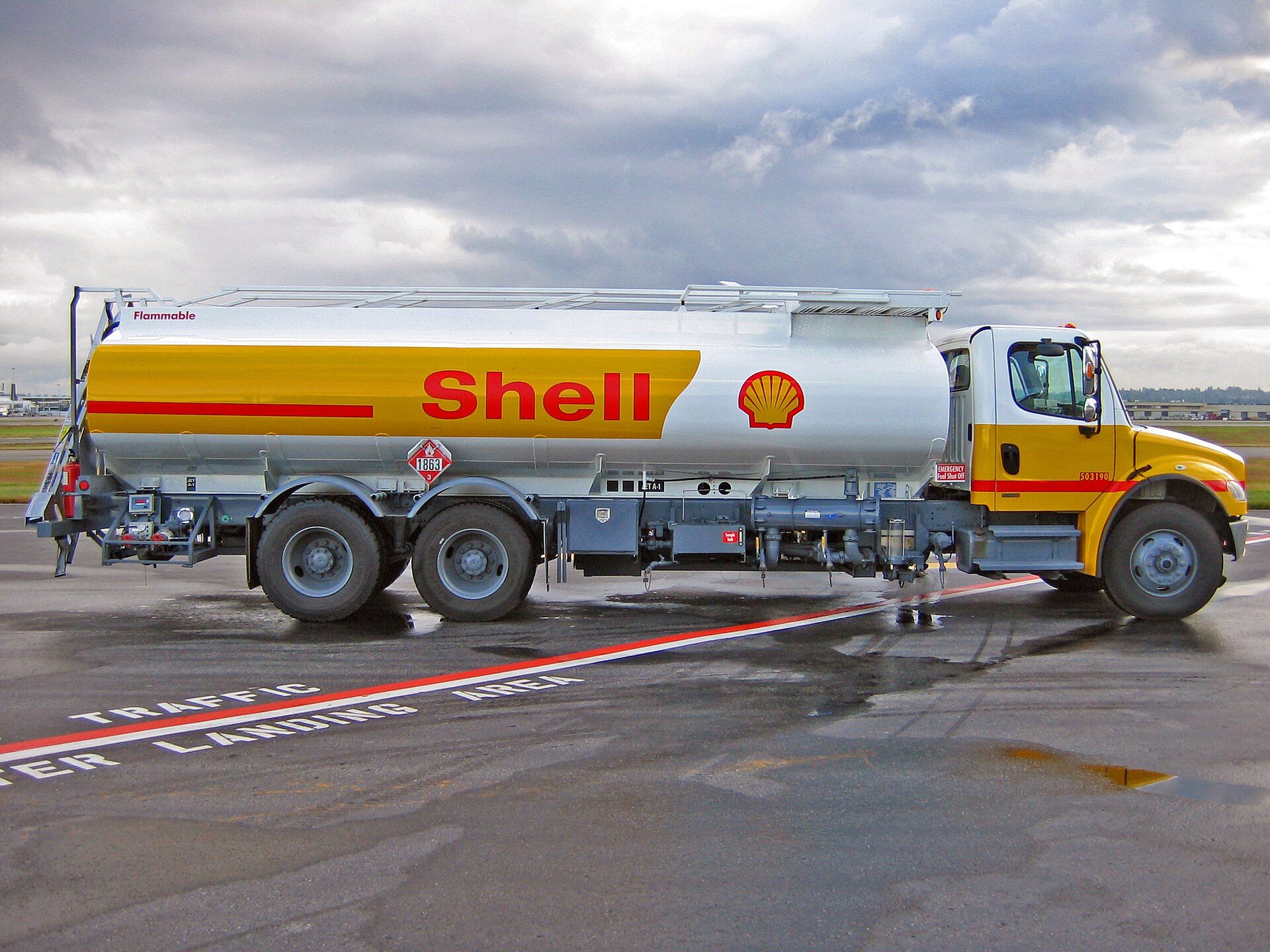
A business jet burns between 100 gallons an hour (a very light jet) and 500 gallons an hour (an ultra-long-range aircraft at high-speed cruise). At 2026 FBO prices of 6 to 7.50 dollars per gallon in North America, and often 20 to 40 percent higher in Europe and Asia once taxes and into-plane fees are included, fuel is the largest variable cost for every category.
Levers that matter:
- Contract fuel. Management companies and fuel card providers negotiate fleet discounts of 0.50 to 1.50 dollars per gallon off posted prices. An owner-flown aircraft rarely gets these.
- Tankering. Carrying extra fuel from a cheap airport to an expensive one saves money when the price differential exceeds the cost of carrying the weight, typically above 1 dollar per gallon.
- Speed. Flying at long-range cruise instead of high-speed cruise saves 10 to 15 percent of fuel on long legs at the cost of 20 to 30 minutes.
- SAF. Sustainable aviation fuel still costs two to three times the price of conventional Jet A where it is available, though European mandates are now blending it into supply automatically.
Crew: the largest fixed cost
A two-pilot crew for a large-cabin jet in 2026 costs 500,000 to 800,000 dollars a year fully loaded, including salary, benefits, recurrent simulator training at FlightSafety or CAE (30,000 to 50,000 dollars per pilot per year), uniforms, per diems and hotels. A cabin attendant adds 100,000 to 150,000 dollars. Pilot salaries have risen 30 to 50 percent since 2021 because the fractional operators, which now employ thousands of pilots, set the market.
Owners who fly fewer than 250 hours a year increasingly use a management company's pilot pool or contract pilots rather than dedicated crew, trading some consistency for a 20 to 30 percent saving. The regulatory limit is crew qualification: a pilot must be typed and current on your aircraft, and insurers will impose their own minimum experience.
Maintenance: scheduled, unscheduled and the programmes that smooth it
Maintenance costs fall into three buckets.
Scheduled inspections arrive by calendar or by hours and cycles. A light jet's annual inspection costs 30,000 to 60,000 dollars; a large-cabin jet's major inspection, for example a 96-month or 192-month check, can run from 500,000 to 2 million dollars including the interior removal and refurbishment that usually accompanies it.
Engines are the single largest maintenance exposure. A hot-section inspection on a mid-size engine costs 300,000 to 600,000 dollars; an overhaul on a large-cabin engine 1.5 to 3 million dollars per engine. Overhaul intervals are typically 5,000 to 8,000 hours.
Unscheduled maintenance is everything else: a failed starter-generator, a cracked windshield, a leaking fuel pump. Budget 10 to 20 percent of scheduled maintenance cost.
How the hourly programmes work
Engine and airframe programmes convert unpredictable events into a fixed accrual per flight hour. The owner pays a rate per hour flown, usually monthly, and the programme pays for covered maintenance when it arrives. The main products:
| Programme | Provider | Covers | Typical hourly rate (large-cabin, USD) |
|---|---|---|---|
| CorporateCare Enhanced | Rolls-Royce | BR700 and Pearl engines, including line maintenance, lease engines and troubleshooting | 700-1,100 per engine |
| Eagle Service Plan (ESP) | Pratt and Whitney Canada | PW300, PW500, PW800 series | 250-600 per engine |
| Maintenance Service Plan (MSP) | Honeywell | HTF7000, TFE731, APUs and avionics | 250-500 per engine |
| OnPoint | GE Aerospace | CF34 and Passport engines | 500-900 per engine |
| JSSI Tip-to-Tail | JSSI (independent) | Engines, APU and airframe across manufacturers, transferable | 5-15 percent premium over OEM for flexibility |
| PlaneParts, Smart Parts Plus, Airframe programmes | Gulfstream, Bombardier, Dassault, Textron, Embraer | Parts and in some cases labour for scheduled airframe work | 200-800 depending on aircraft |
Programme enrolment is not a discount; over a long hold it costs roughly what the maintenance would have cost, plus a margin. The reasons owners pay are risk transfer, cash-flow predictability, a stronger resale position (buyers pay a premium of roughly the accrued value for enrolled aircraft) and the practical fact that a programme's technical support and lease engines get a grounded aircraft flying again faster. For an owner planning to hold for less than five years, or buying a mid-life aircraft with a large overhaul approaching, the programme is close to essential. A buyer entering an aircraft that is not on programme should expect a buy-in fee that reflects the hours already consumed toward the next event.
Hangar and ground costs
Hangarage for a large-cabin jet costs from 100,000 dollars a year at a secondary airport to 400,000 dollars or more at Teterboro, Van Nuys, Farnborough, Nice, Dubai Al Maktoum or Hong Kong. Hangar space at the busiest business airports has become scarce enough that new arrivals sometimes wait a year. Add landing and parking fees, handling charges (150 to 2,500 dollars per stop depending on airport and aircraft size), de-icing in winter, and catering.
Insurance
Aircraft insurance has two components: hull, which covers physical damage to the aircraft, and liability, which covers third parties and passengers. Combined premiums in 2026 run roughly 0.4 to 1.0 percent of hull value for professionally flown aircraft with experienced crews, higher for owner-flown jets and for aircraft operated in higher-risk regions. War-risk coverage, once an afterthought, has become a negotiated item for operators flying to the Middle East, Eastern Europe and parts of Africa. Liability limits of 100 to 500 million dollars are typical for large-cabin aircraft.
The lines that surprise owners
- Connectivity. Ka-band or Ku-band satellite plans now run 10,000 to 30,000 dollars a month for unlimited large-cabin use; low-earth-orbit services are cheaper and arriving quickly.
- Navigation and software subscriptions. Charts, databases and flight-planning services: 40,000 to 100,000 dollars a year.
- Training beyond the crew. Maintenance technician training, cabin attendant safety training, and emergency procedures.
- Regulatory compliance. Mandated equipment upgrades arrive every few years and are rarely cheap.
- Interior refurbishment. A large-cabin interior needs serious attention every seven to ten years, at 1 to 3 million dollars.
A representative annual budget
For a Gulfstream G650ER or Global 6500 flying 400 hours a year from a major US airport in 2026:
| Line | Annual cost (USD) |
|---|---|
| Fuel | 1,300,000 |
| Crew (two pilots, one cabin attendant, training) | 850,000 |
| Engine and airframe programmes | 750,000 |
| Scheduled and unscheduled maintenance not on programme | 300,000 |
| Hangar, handling, landing, catering | 450,000 |
| Insurance | 250,000 |
| Connectivity, subscriptions, management fee | 500,000 |
| Total operating cost | 4,400,000 |
| Cost per flight hour | 11,000 |
That figure excludes depreciation and cost of capital, which together often double it. But the operating budget is the one you control month to month, and every line in it has a lever.
Mentioned in this story
More insights

What luxury really means on a VIP airliner
A VIP airliner is not just a larger private jet. Its real luxury is measured in certified space, sleep, quiet systems, completion time, crew workflow and the ability to carry a household or delegation across oceans without turning the cabin into theatre.
Farnborough, Biggin Hill or Luton: choosing a London private jet airport
Compare the final ground destination, operating window, aircraft requirements and handling arrangements before choosing a London airport.
Teterboro, Westchester or Morristown: choosing a New York private jet airport
Compare the airport and ground destination together, then check handling, timing, noise requirements and a fallback before accepting a charter proposal.