What a jet card really costs versus charter
Jet cards buy price certainty, not automatic savings. The real comparison with on-demand charter turns on minimums, peak days, repositioning, taxes, aircraft category and the cost of tying up cash.
Practical, independent writing on buying, owning and flying private.
Jet cards buy price certainty, not automatic savings. The real comparison with on-demand charter turns on minimums, peak days, repositioning, taxes, aircraft category and the cost of tying up cash.
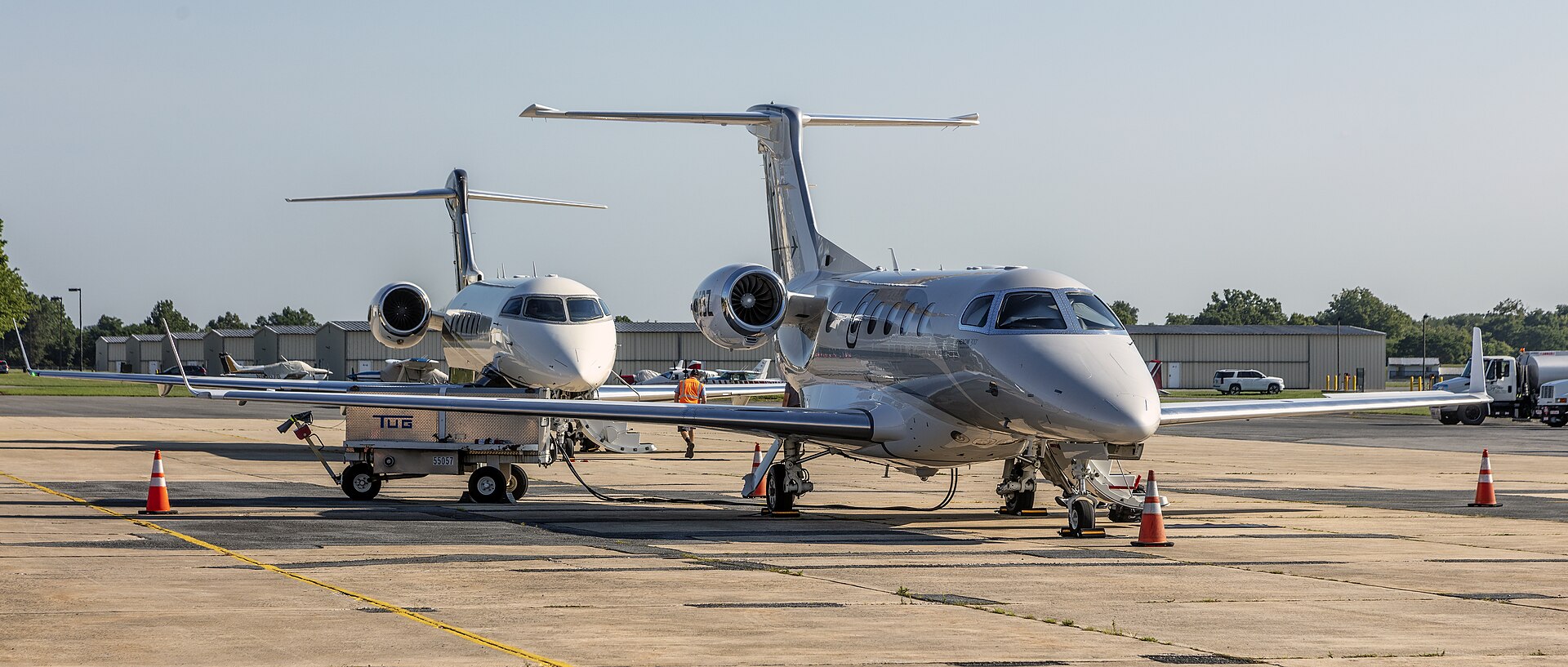
Parking a private jet can mean a $50 overnight ramp charge at a small field, a $1,400 nightly hangar bill at a busy university FBO, or a negotiated home-base lease at a major business-aircraft airport. The real price depends less on the airplane’s purchase price than on footprint, weather protection, airport demand and whether fuel waives the fee.
Empty legs look like bargains from the cabin door, but for operators they are a short-lived inventory problem shaped by owner approvals, crew limits, regulation, and marginal cost. The best sale is not always the highest discount; it is the booking that moves the aircraft without breaking the next revenue trip.
Charter at $1 million liquid, a jet card at $5 million, a fractional share at $30 million, your own aircraft at $100 million. Here are the rules of thumb the industry actually uses, with the arithmetic behind each one.
New York to Miami and London to Nice, three ways: what each costs, how long it takes from door to door, and how much CO2 it puts in the air. The results are less flattering to the jet than you'd think, and less damning than you'd fear.
A charter quote is one number. Behind it are fuel, two salaries, engine reserves, a hangar, insurance, and the slow melt of depreciation. We break a flight hour into its parts for three real aircraft.