What It's Really Like to Fly Private: From the Car to the Cabin, Minute by Minute
No security line, no gate, no boarding group. Here is exactly what happens between your front door and 41,000 feet when you fly on a private jet, with the timings that make people who try it once never want to go back.
By JetAtlas · Published 2026-04-14 · 7 min read · How we check facts
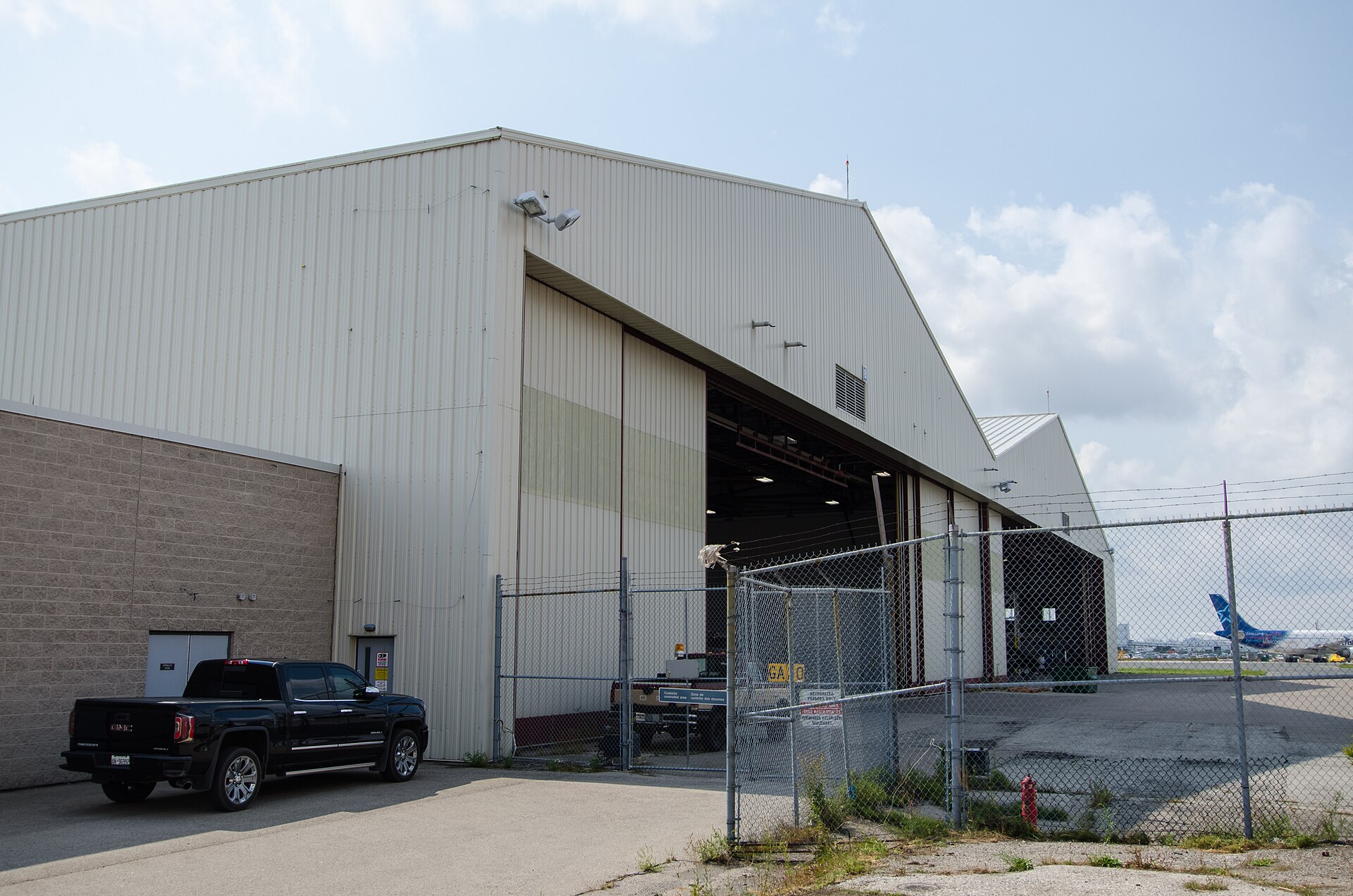
The single most surprising thing about flying private is not the leather or the champagne. It is the clock. A commercial flight from New York to Florida consumes most of a day once you count the airport. The same trip on a chartered jet is over before lunch, and almost none of the saved time comes from the aircraft being faster. It comes from everything on the ground simply not happening.
Below is a typical domestic charter day, reconstructed minute by minute. The times are representative rather than universal; a big corporate flight department or an ultra-long-range trip adds a few steps, but the shape is the same.
T minus 24 hours: the booking is done
Most charter flights are booked one to three days out. A broker or operator sends a quote (for a super-midsize jet on New York to Miami, roughly $28,000 to $38,000 one way in 2026, depending on the aircraft and the date), you sign a charter agreement, and the operator confirms the tail number and crew. You then receive one email that would look absurd to an airline passenger: it asks what you would like to eat, whether anyone has allergies, and what time you want to leave. Not what time the flight is. What time you want to leave.
Catering is ordered from the FBO's catering partner or a local restaurant. A modest order for four (sandwich platters, fruit, a cheese board, soft drinks) runs $200 to $600. Sushi for six from a name restaurant can top $1,500. The crew will also stock the galley with the standard items: water, sparkling water, coffee, snacks, and the operator's house wine.
T minus 60 minutes: leaving home
For a 10:00 departure from Teterboro, New Jersey, a passenger in Midtown Manhattan leaves at about 9:15. Teterboro is 12 miles from Times Square, and the drive is 30 to 45 minutes. There is no need to arrive early because there is no queue to absorb the time. The operator's rule of thumb is to be at the FBO 15 minutes before departure; some passengers cut it to five.
T minus 15 minutes: the FBO
FBO stands for fixed-base operator, a private terminal on the airfield that handles fuel, parking, and passengers for business aircraft. Big ones (Signature, Atlantic, Jet Aviation, Million Air) look like a boutique hotel lobby.
Your car pulls up to the door. A customer service representative greets you by name because the crew has already told them who is coming. There is no check-in desk. There is no security screening in the airline sense: no X-ray, no shoes off, no liquids bag. On a domestic charter under U.S. Part 135 rules, the operator is responsible for knowing who is on board and checks government photo ID against the passenger manifest, and larger aircraft fall under additional TSA security programmes, but for a passenger it feels like being waved through a private club.
Your bags are taken from the car boot by a line technician and loaded straight into the aircraft's baggage compartment. You never touch them again until the destination.
T minus 10 minutes: meeting the crew
The captain usually walks in to say hello, briefs the flight in two sentences (flight time, expected weather, any turbulence en route), and asks whether you are ready. On aircraft with a cabin attendant (typical on large-cabin jets like a Challenger 650 or Gulfstream; unusual on light and midsize jets), the attendant will already be aboard preparing the cabin.
If everyone has arrived, you can leave early; air traffic control simply works you into the flow.
T minus 5 minutes: the walk to the aircraft
You walk, or are driven in a car across the ramp, to the jet. It is parked perhaps 50 metres from the door. Climbing the airstairs takes ten seconds. On a Citation XLS or Phenom 300E, the cabin is a tube you slightly stoop in, with six to eight club seats. On a Challenger 3500, you stand upright. On a Gulfstream G650ER, there are three distinct rooms.
You choose any seat. Nobody checks your boarding pass because there isn't one.
T minus 0: doors close
The cabin attendant, or the copilot on smaller aircraft, closes the door and gives a brief safety briefing: exits, seat belts, where the life vests are. Then the engines start, a low whine and a gentle vibration, and the aircraft taxis.
At Teterboro, taxi to the runway takes 5 to 15 minutes. At a quieter airport it can be two.
| Stage | Airline (typical, JFK to MIA) | Private (TEB to OPF) |
|---|---|---|
| Recommended arrival before departure | 120 min | 15 min |
| Check-in and bag drop | 15 to 30 min | 0 min |
| Security | 15 to 45 min | 0 to 2 min |
| Walk to gate | 10 to 20 min | 1 min |
| Boarding | 30 to 40 min | 2 min |
| Taxi out | 20 to 40 min | 5 to 15 min |
| Flight time | 2 h 55 min to 3 h 10 min | 2 h 35 min to 2 h 50 min |
| Deplane, bags, exit | 30 to 50 min | 5 min |
| Total, kerb to kerb | Roughly 6 h | Roughly 3 h 15 min |
Timings are JetAtlas estimates based on published airline guidance and typical charter operations; individual trips vary.
In the air
Private jets climb fast and high. A light jet reaches 41,000 feet in about 20 minutes; a Gulfstream or Global will settle at 43,000 to 51,000 feet, above nearly all airline traffic and most weather. The cabin is quiet enough for normal conversation and, on large-cabin aircraft, quiet enough to sleep.
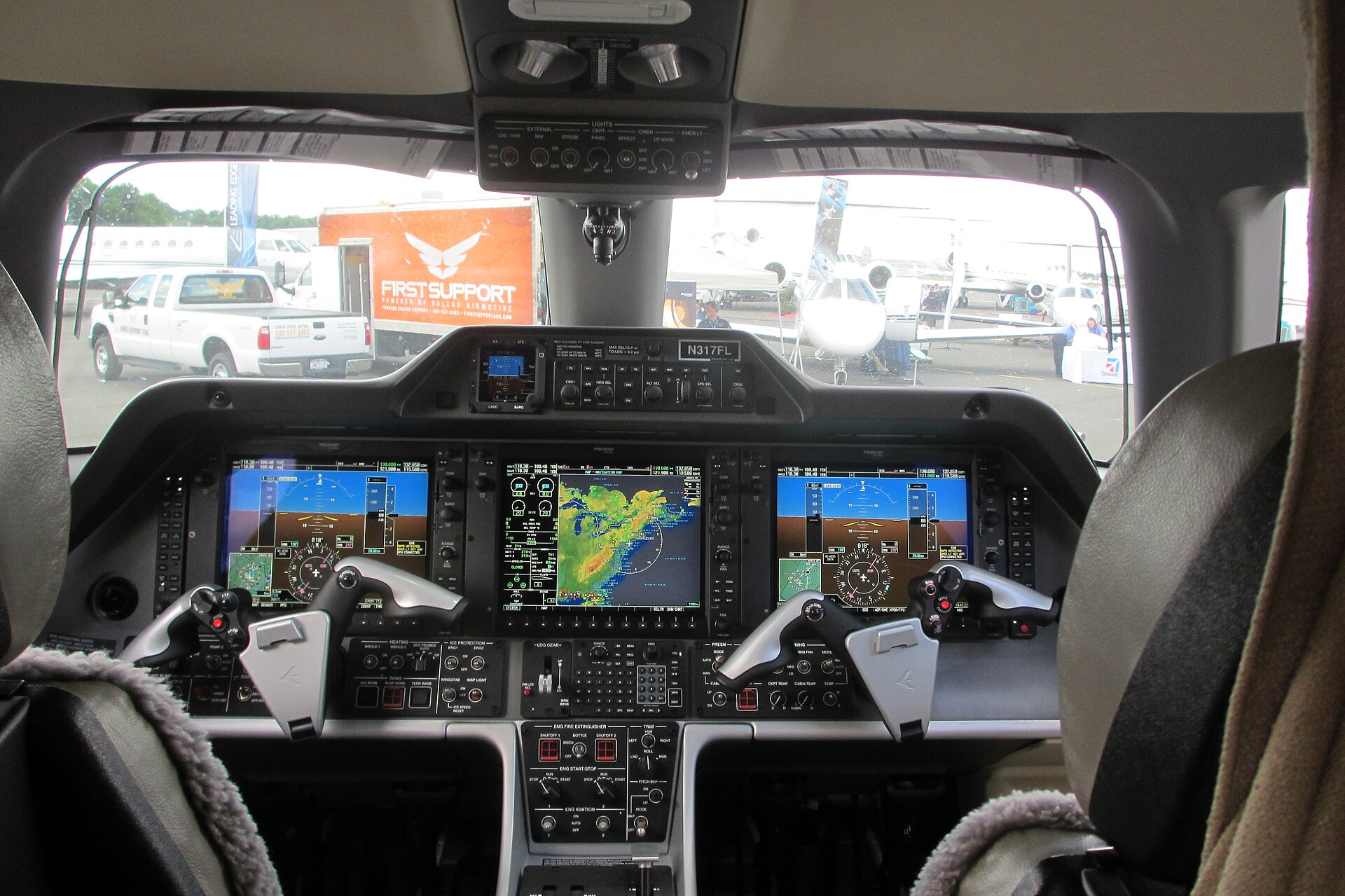
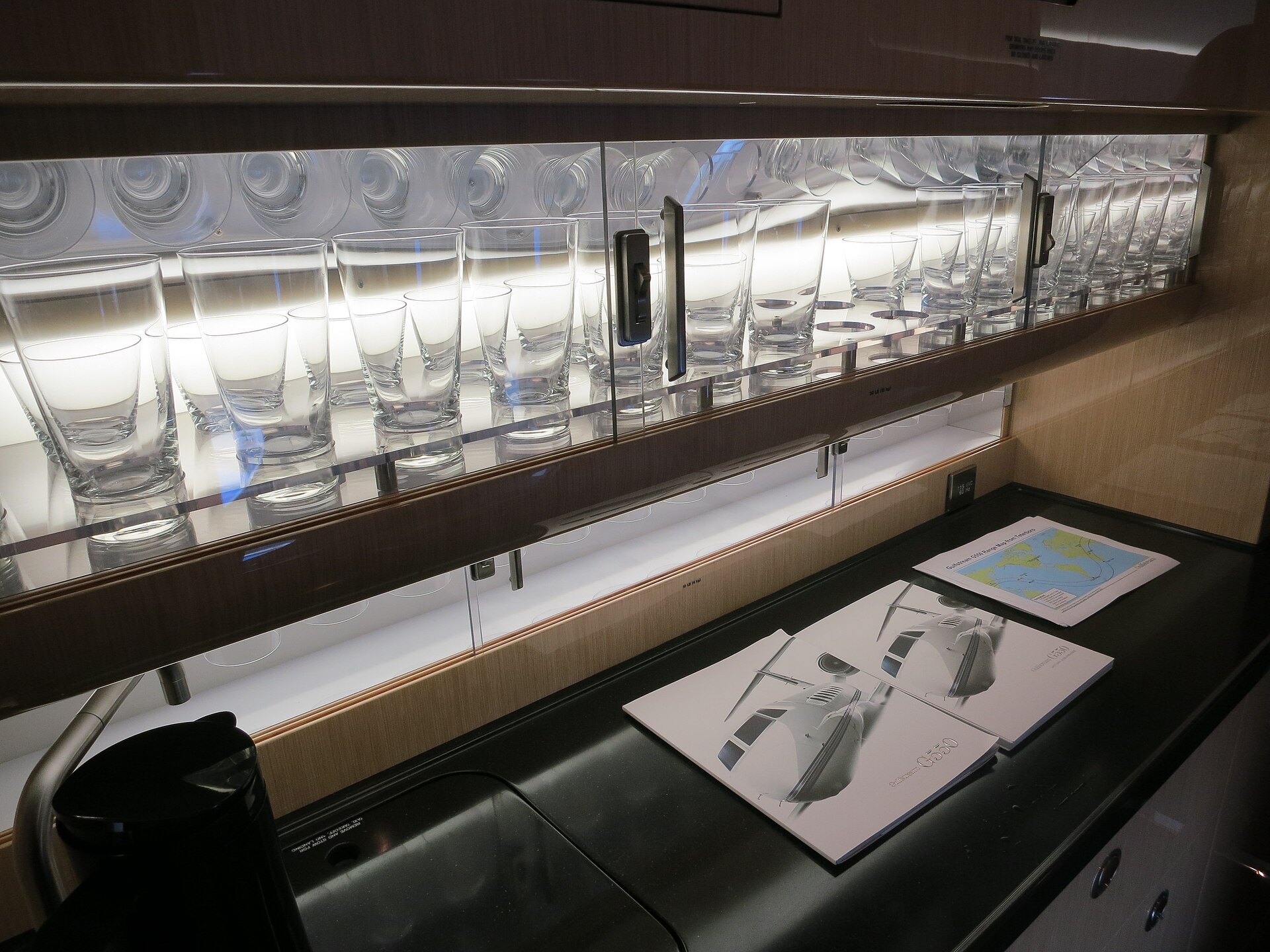
Then the trip settles into something closer to a living room than a flight. People work with laptops on fold-out tables (Wi-Fi is now standard on most charter aircraft, though on older light jets it can be slow). Meals are served on real plates. Children are common; so are dogs, which sit on the seats. Nobody tells you to put your seat back up, and on aircraft with a lavatory, it is a proper room with a sink. On most light and midsize jets the cockpit door is open or there is no door at all, and you can watch the approach into Miami over the captain's shoulder.
Arrival
The aircraft lands and taxis directly to the FBO, not a gate. The engines wind down, the door opens, and the line crew has your bags on a trolley before you reach the bottom of the stairs. If you ordered a car, it is parked beside the aircraft on the ramp; at many FBOs you can drive your own rental car right up to the wing. From touchdown to sitting in a car is typically five minutes.
If you are landing from abroad, customs officers meet the aircraft at the FBO or in a small dedicated room. Clearing customs at a busy FBO usually takes 10 to 20 minutes; it can be under five.
What people get wrong
- It is not always faster in the air. A Phenom 300E cruises at about 450 knots; an Airbus A321 cruises around 470. The savings are almost entirely on the ground.
- Weather delays still happen, but differently. Business jets can often depart earlier or later to dodge a storm, and can use smaller airports that airline schedules cannot.
- You pay whether the seats are full or not. A charter is priced per aircraft, not per person, so a full jet is dramatically cheaper per head than an empty one.
- The crew's day is longer than yours. Pilots arrive about an hour before you do to flight-plan and preflight the aircraft.
The industry likes to say it sells time rather than luxury. That is marketing, but on this one point the marketing is accurate: the product is the three hours you do not spend in an airport.
Mentioned in this story
More insights

What luxury really means on a VIP airliner
A VIP airliner is not just a larger private jet. Its real luxury is measured in certified space, sleep, quiet systems, completion time, crew workflow and the ability to carry a household or delegation across oceans without turning the cabin into theatre.
Farnborough, Biggin Hill or Luton: choosing a London private jet airport
Compare the final ground destination, operating window, aircraft requirements and handling arrangements before choosing a London airport.
Teterboro, Westchester or Morristown: choosing a New York private jet airport
Compare the airport and ground destination together, then check handling, timing, noise requirements and a fallback before accepting a charter proposal.